
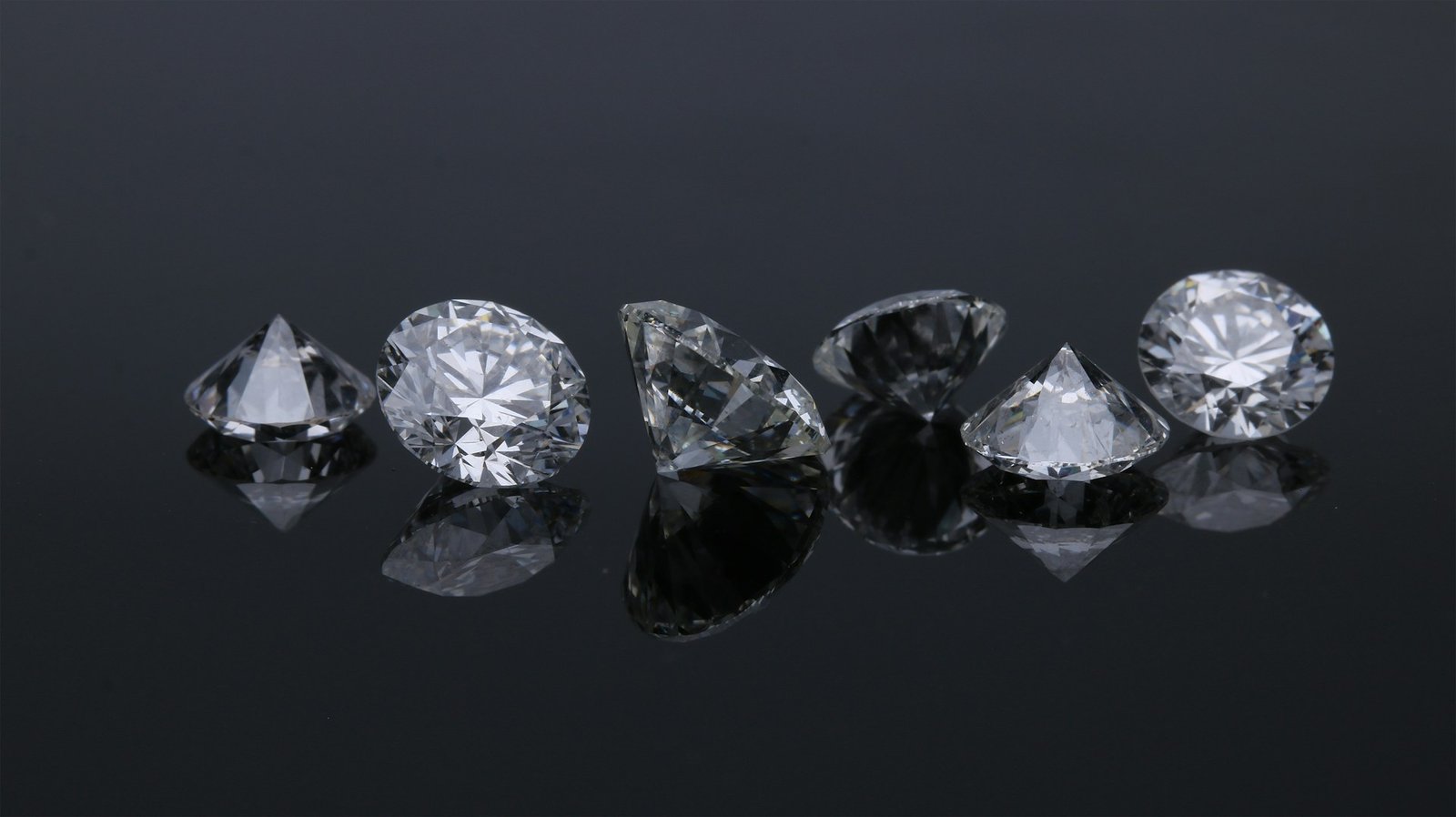
Introduction
Buying a diamond is an exciting decision, but choosing the right one requires careful consideration. With so many options available, it can be difficult to know which factors matter most. The Four Cs carat weight, cut, color, and clarity provide a useful starting point for comparing diamonds. This guide covers diamond quality, certification, settings, budgeting, and choosing a reputable retailer to help you make a confident and informed purchase.
Understanding the Four Cs of Diamond Quality
When embarking on a diamond purchase, understanding the Four Cs is essential. These criteria carat weight, cut, color, and clarity form the foundation of diamond valuation and will significantly influence your purchasing decision.
Carat Weight
Carat weight measures a diamond’s mass, with one carat equaling 200 milligrams. While carat weight is often associated with value, it is important to recognize that a heavier diamond does not necessarily translate to superior quality. Two diamonds of identical carat weight may vary considerably in price depending on their other characteristics. When selecting carat weight, consider your budget and personal preferences rather than assuming larger is always better.
Cut Quality
Cut refers to how well a diamond has been shaped and faceted from its rough form. This dimension directly affects a diamond’s brilliance, fire, and overall visual appeal. A superior cut allows light to enter the stone, reflect internally, and exit through the top, creating the sparkle that makes diamonds so desirable. Even a diamond with excellent color and clarity will appear dull if poorly cut, making cut quality a critical consideration in your diamond buying guide.
Color Grading
Diamonds are graded on a color scale from D (colorless) to Z (light color). Most diamonds contain subtle traces of nitrogen or other elements that produce slight color tints. Colorless diamonds (D-F) command premium prices, while near-colorless diamonds (G-J) offer excellent value without a perceptible difference to the untrained eye. When evaluating color, consider viewing diamonds under various lighting conditions to make an informed decision.
Clarity Assessment
Clarity measures the presence or absence of internal and external imperfections, known as inclusions and blemishes. The clarity scale ranges from Flawless (FL) to Included (I). Most diamonds contain some inclusions, and many are invisible to the naked eye. Selecting a diamond with eye-clean clarity, where inclusions are not visible without magnification, allows you to allocate your budget toward other qualities while maintaining aesthetic perfection.
Certification and Authentication
Before finalizing any diamond purchase, obtain an independent certification from a reputable gemological laboratory. The Gemological Institute of America (GIA) and the American Gem Society (AGS) are widely recognized authorities that provide detailed grading reports. A certified diamond comes with documented verification of its characteristics, offering peace of mind and establishing resale value.
Never purchase a diamond without certification, as it ensures transparency and protects your investment. The certificate should include a diamond plot diagram identifying inclusions and specifications for all Four Cs.
Setting and Metal Selection
The setting dramatically influences a diamond’s appearance and your overall satisfaction with the purchase. Consider the following factors:
- Metal Type: Choose from platinum, white gold, yellow gold, or rose gold based on your aesthetic preference and budget. Platinum offers superior durability, while gold provides flexibility in design at various price points.
- Setting Style: Popular settings include solitaire, halo, three-stone, and vintage designs. Select a setting that complements your lifestyle and personal style.
- Protection: Ensure the setting securely holds your diamond and protects the stone from daily wear and potential damage.
Budget Considerations
Establishing a realistic budget is fundamental to the diamond buying process. Rather than adhering to outdated guidelines suggesting you spend two or three months’ salary, determine what you can comfortably afford. Consider prioritizing the Four Cs based on your values; some buyers prioritize cut and color, while others emphasize carat weight.
Remember that diamonds below certain thresholds in any category may offer superior value. A slightly lower color or clarity grade that remains eye-clean can result in substantial savings without compromising visual appeal.
Evaluating Diamond Retailers
Selecting a reputable retailer is as important as choosing the diamond itself. Research potential jewelers thoroughly by:
- Reading customer reviews and testimonials
- Verifying industry certifications and memberships
- Comparing pricing across multiple retailers
- Assessing their return and exchange policies
- Evaluating the quality of customer service and expertise
Established jewelers with transparency in their operations and pricing provide greater assurance of receiving authentic, fairly-priced diamonds.
Making the Final Decision
After gathering information and evaluating options, view your selected diamond in person whenever possible. Observe it under different lighting conditions and compare it with alternatives in your price range. Trust your instincts alongside the technical specifications; if you feel a connection to a particular diamond, it may be the right choice.
Take time with your decision. Reputable dealers will allow adequate time for consideration without pressure, and many offer certifications and guarantees that protect your investment.
Conclusion
A comprehensive diamond buying guide emphasizes informed decision-making across multiple dimensions. By understanding the Four Cs, obtaining proper certification, selecting appropriate settings, and working with trustworthy retailers, you can confidently navigate the diamond market and secure a purchase that brings lasting satisfaction and value.
Photo by Edgar Soto on Unsplash
Disclaimer: YourDailyMag is a participant in the Amazon Services LLC Associates Program, an affiliate advertising program designed to provide a means for sites to earn advertising fees by advertising and linking to Amazon.com (or the relevant Amazon site for your region). As an Amazon Associate, we earn from qualifying purchases.