Cold cream is a traditional skincare product known for its moisturizing, cleansing, and skin-softening properties. Although modern skincare routines often include lightweight moisturizers, serums, and gels, cold cream remains a useful option for people who experience dry or rough skin. Its rich texture helps reduce moisture loss and leaves the skin feeling soft and comfortable. Understanding how cold cream works, what it contains, and how to use it correctly can help you decide whether it is suitable for your skincare routine. This guide explains the main benefits of cold cream, its common uses, application methods, and important precautions.
What Is Cold Cream?
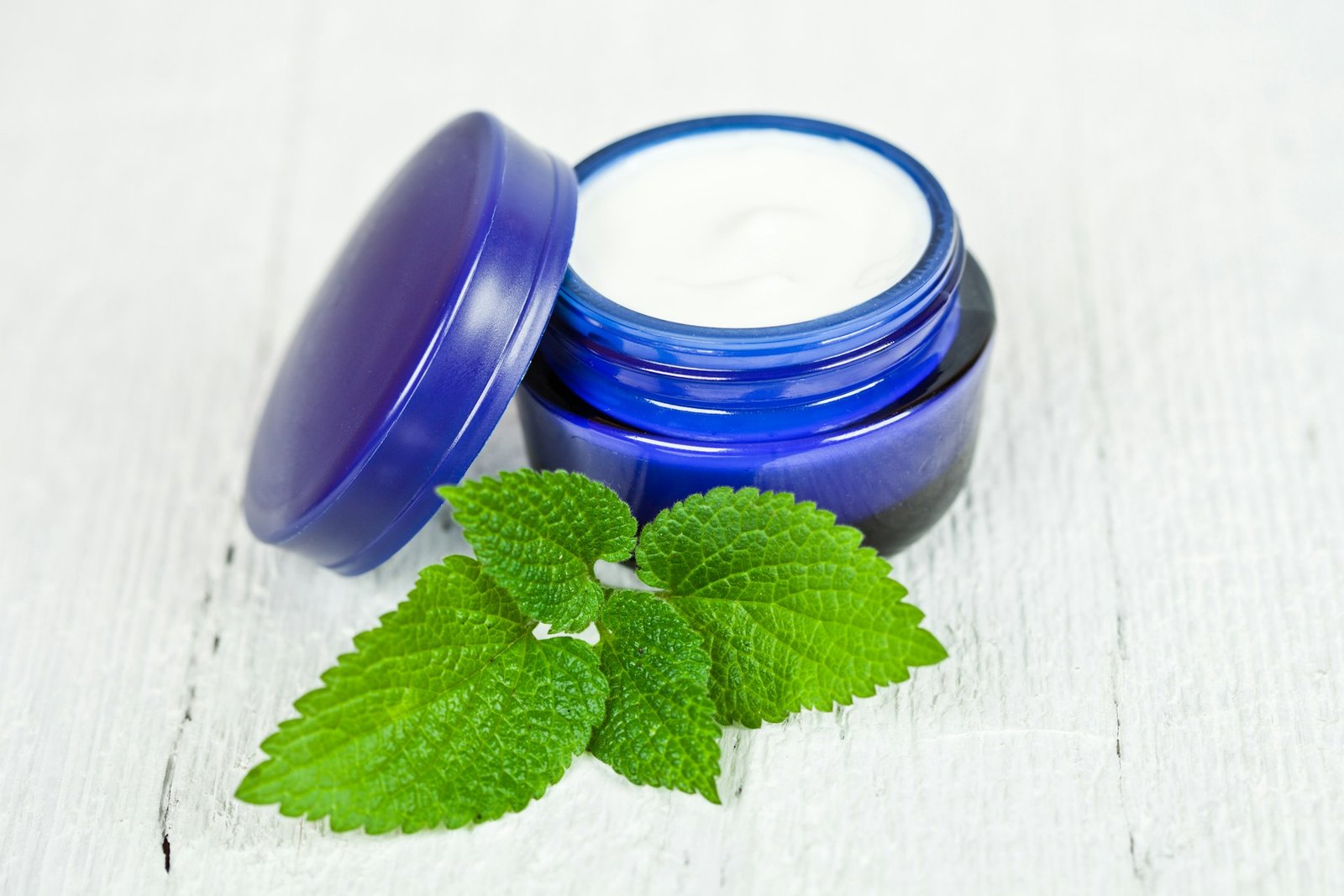
Cold cream is a rich skincare preparation generally made with a combination of oils, water, and emulsifying ingredients. Traditional formulas often contain mineral oil, beeswax, and water, while modern versions may include additional moisturizing ingredients. The product forms a protective layer on the skin that helps reduce water loss. Depending on its formulation, cold cream can be used as a moisturizer, makeup remover, or cleansing product. Its thick consistency makes it particularly useful for skin that feels dry, tight, or rough. However, cold cream formulations vary between brands, so checking the ingredient list is important before choosing a product.
Key Benefits of Cold Cream
1. Helps Moisturize Dry Skin
One of the primary benefits of cold cream is its ability to soften and moisturize dry skin. Its oil-rich composition helps reduce moisture loss, making the skin feel smoother and more comfortable. This can be especially helpful during colder weather or when indoor heating and air conditioning contribute to skin dryness. Regular use may help improve the appearance of rough, flaky areas when combined with an appropriate skincare routine.
2. Supports the Skin Barrier
The skin barrier helps retain moisture and protect the skin from external irritants. When this barrier becomes compromised, the skin may feel dry, sensitive, or uncomfortable. Cold cream creates a protective layer that helps limit moisture evaporation. Although it does not replace the skin’s natural barrier, this protective effect can support skin comfort and hydration.
3. Removes Makeup and Surface Impurities
Many cold creams can dissolve makeup, sunscreen, and oil-based products. Their oily ingredients help loosen these substances, making them easier to remove during cleansing. To use cold cream as a makeup remover, massage a small amount gently over the skin and wipe it away with a soft cloth or cotton pad. Follow the product instructions and rinse or cleanse afterward when necessary, particularly if residue remains.
4. Softens Rough Areas
Cold cream can also be applied to dry areas such as elbows, knees, hands, and heels. These areas may become rough because of frequent washing, friction, or environmental conditions. Applying a small amount to these areas can help soften the skin and reduce moisture loss. For very dry feet, it may be useful as part of an overnight moisturizing routine.
How to Use Cold Cream Correctly
Cold cream can be incorporated into a skincare routine in several ways, depending on the product’s intended purpose.
As a moisturizer: Apply a small amount to clean skin and spread it gently over dry areas. Follow the product instructions regarding whether to use it on damp or dry skin.
As a makeup remover: Massage the cream gently over makeup-covered areas, avoiding direct contact with the eyes unless the product is specifically designed for that purpose. Remove it according to the label instructions.
For seasonal dryness: Use cold cream on areas that become particularly dry during colder months or in air-conditioned environments.
For nighttime skincare: Apply a thin layer to dry areas before bed if the formula is suitable for overnight use. Avoid applying excessive amounts, especially if your skin is prone to clogged pores.
Is Cold Cream Suitable for Every Skin Type?
Cold cream is generally most useful for people with dry skin or those who need a richer moisturizing product. However, suitability depends on the formulation and individual skin needs. People with oily or acne-prone skin may find some cold creams too heavy. Certain formulations may contribute to clogged pores or breakouts in susceptible individuals. Those with sensitive skin should review the ingredients and perform a patch test before regular use. If you experience persistent irritation, redness, or worsening acne, discontinue use and consider seeking advice from a dermatologist.
Precautions When Using Cold Cream
Before adding cold cream to your routine, check the ingredient list for substances that may irritate your skin or cause an allergic reaction. Use products as directed and avoid applying them to broken or irritated skin unless recommended by a healthcare professional. Remove makeup thoroughly and avoid excessive product buildup. If you use cold cream around the eyes, choose a formula specifically intended for that area. Remember that cold cream does not replace sunscreen, and daytime sun protection remains important even when your skin feels adequately moisturized.
Conclusion
Cold cream remains a practical skincare option because of its moisturizing properties, cleansing uses, and ability to soften rough skin. Its rich formulation can help reduce moisture loss and improve skin comfort, particularly for people experiencing dryness. Choosing a suitable formula and applying it correctly are essential for getting the best results. By understanding its ingredients, benefits, and limitations, you can determine whether cold cream deserves a place in your daily skincare routine.
Photo by Maria Kovalets on Unsplash
Disclaimer: YourDailyMag is a participant in the Amazon Services LLC Associates Program, an affiliate advertising program designed to provide a means for sites to earn advertising fees by advertising and linking to Amazon.com (or the relevant Amazon site for your region). As an Amazon Associate, we earn from qualifying purchases.